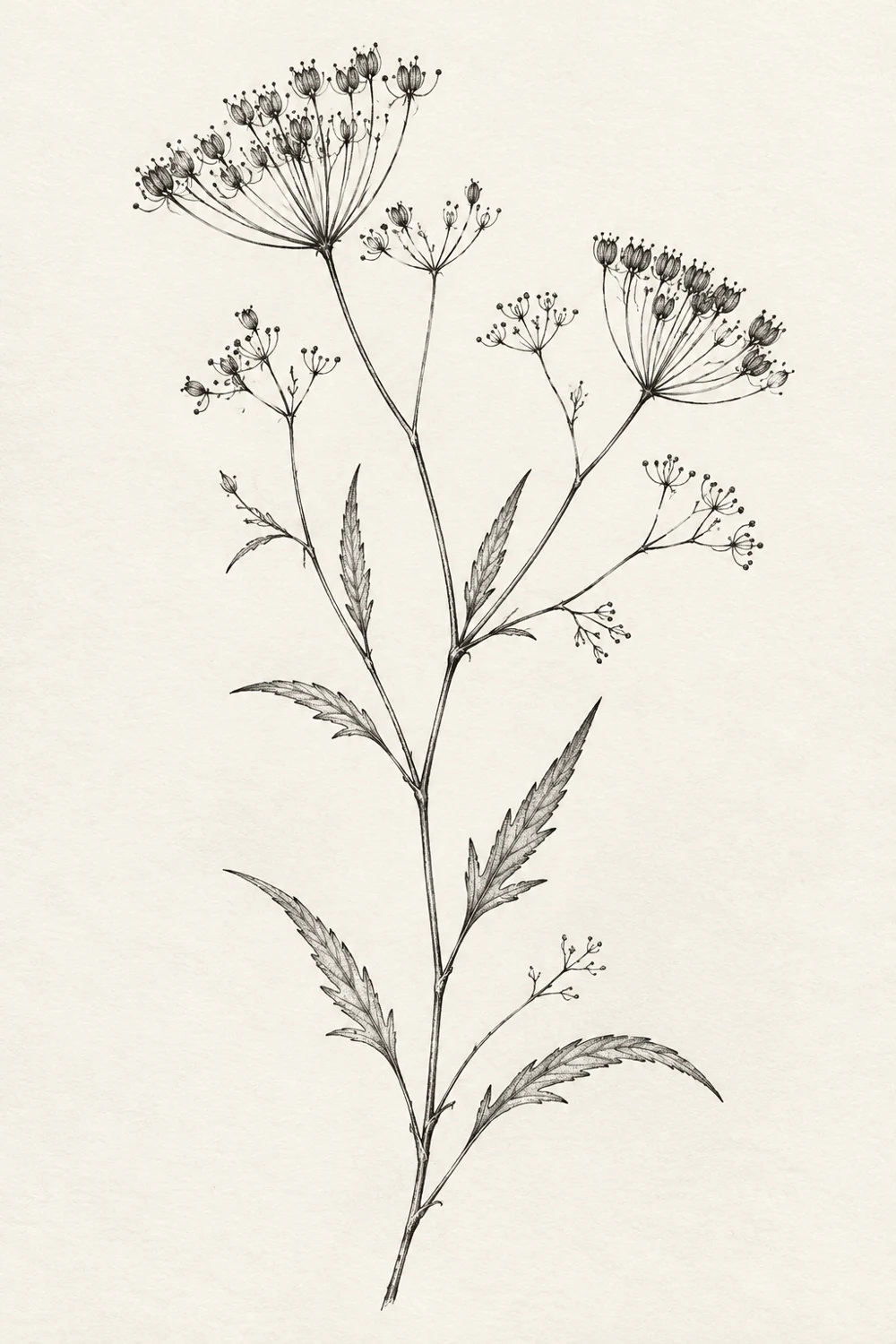
Stem. Interval. Air.
Botanical linework
A line follows growth, then makes room for it. Botanical studies use stems, leaf joints and seed heads as a loose compositional language rather than a catalogue of perfect plants.
Explore the approach ↗ SACRED LINESFictional studio concept
04 / The drawing archive
A style is a way of making decisions. Start with line, texture and space. These four directions are open doors, not fixed boxes.
Stem. Interval. Air.
A line follows growth, then makes room for it. Botanical studies use stems, leaf joints and seed heads as a loose compositional language rather than a catalogue of perfect plants.
Explore the approach ↗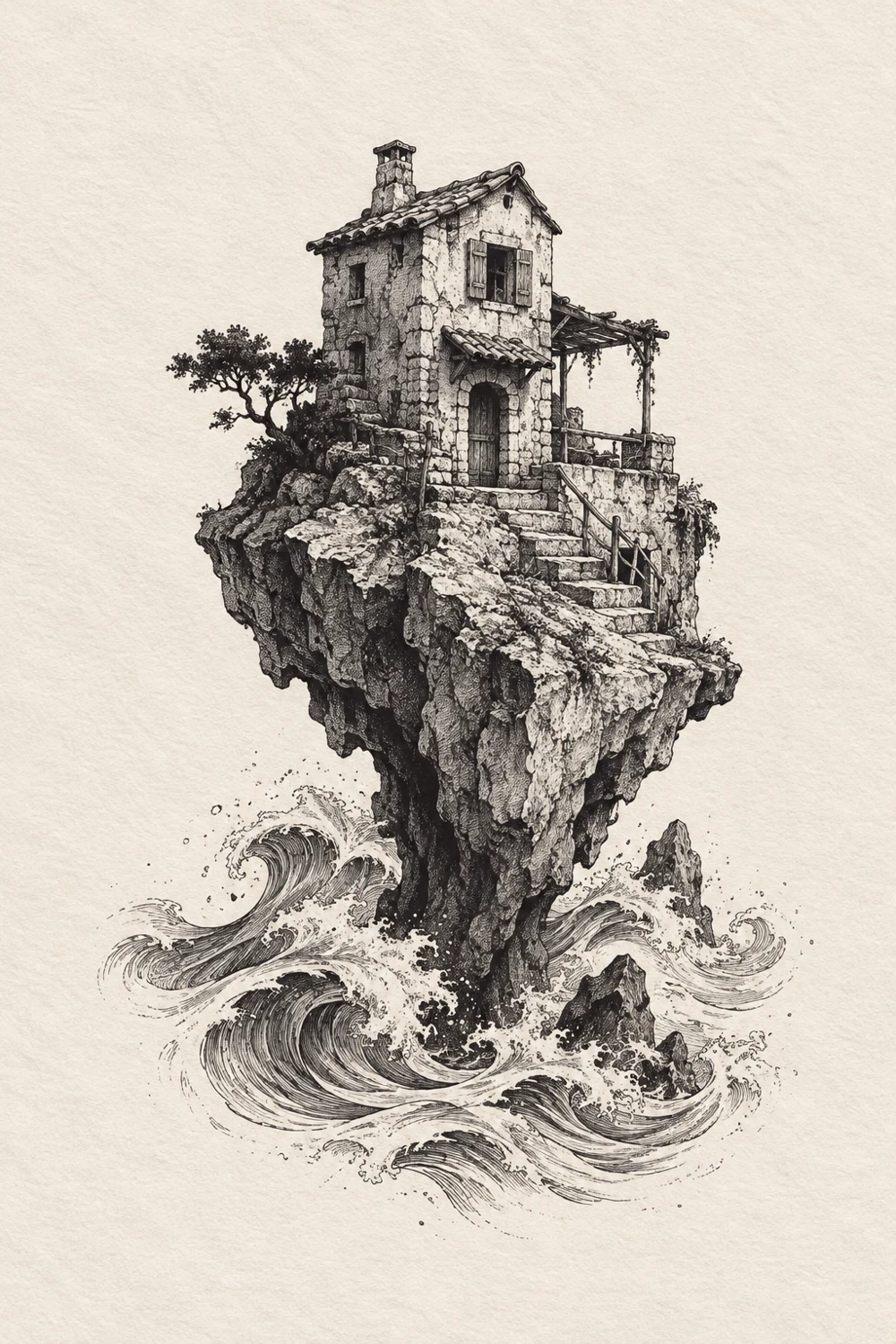
Hatch. Texture. Narrative.
Small worlds built one mark at a time. Engraving-inspired illustration uses repeated strokes to suggest light, weather and the weight of an object. Dense passages work because a quieter area sits beside them.
Explore the approach ↗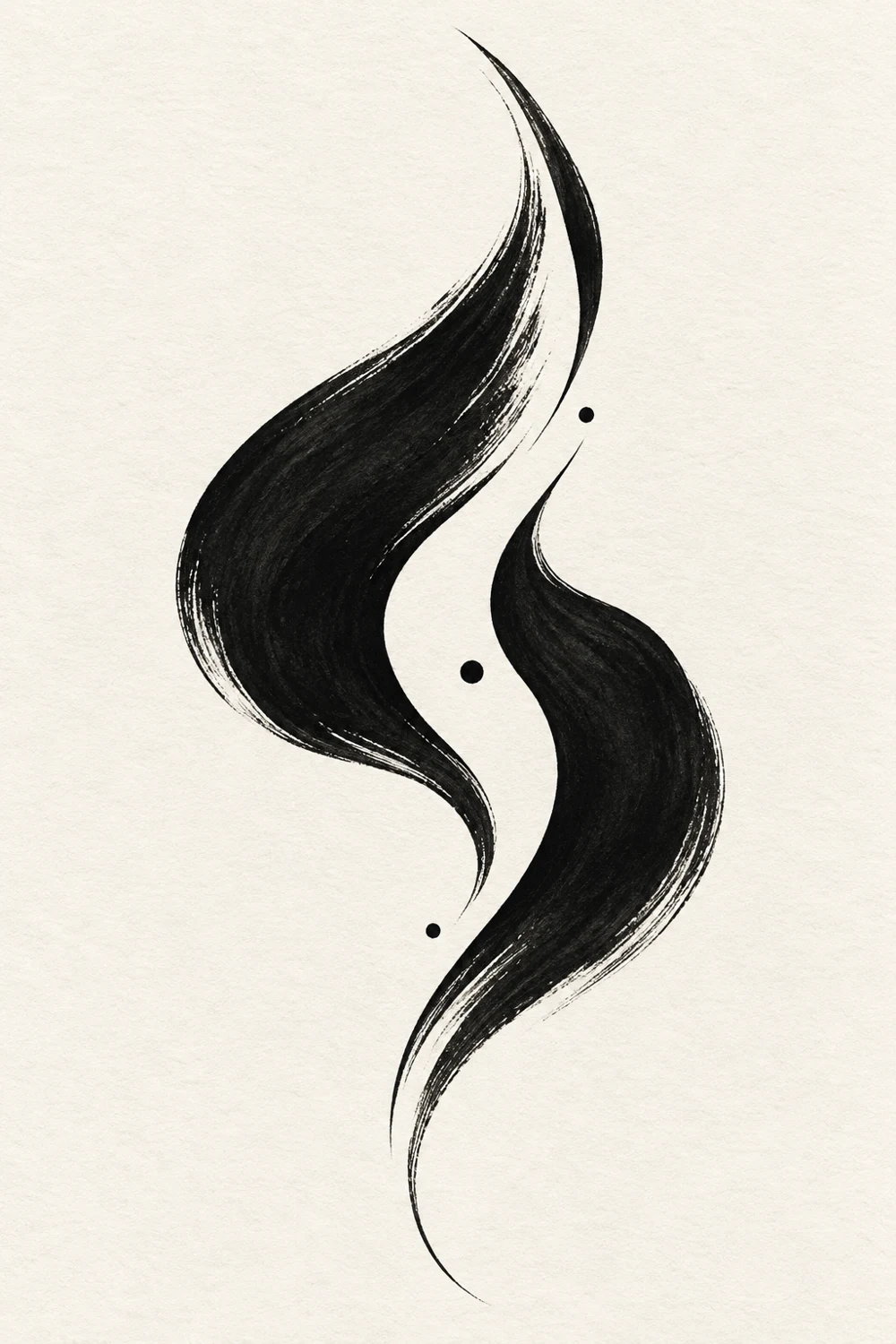
Weight. Motion. Absence.
A bold shape can be a quiet gesture. These studies treat black ink and untouched space as equal materials. Their subject is the way a form leans, turns, pauses or almost meets another.
Explore the approach ↗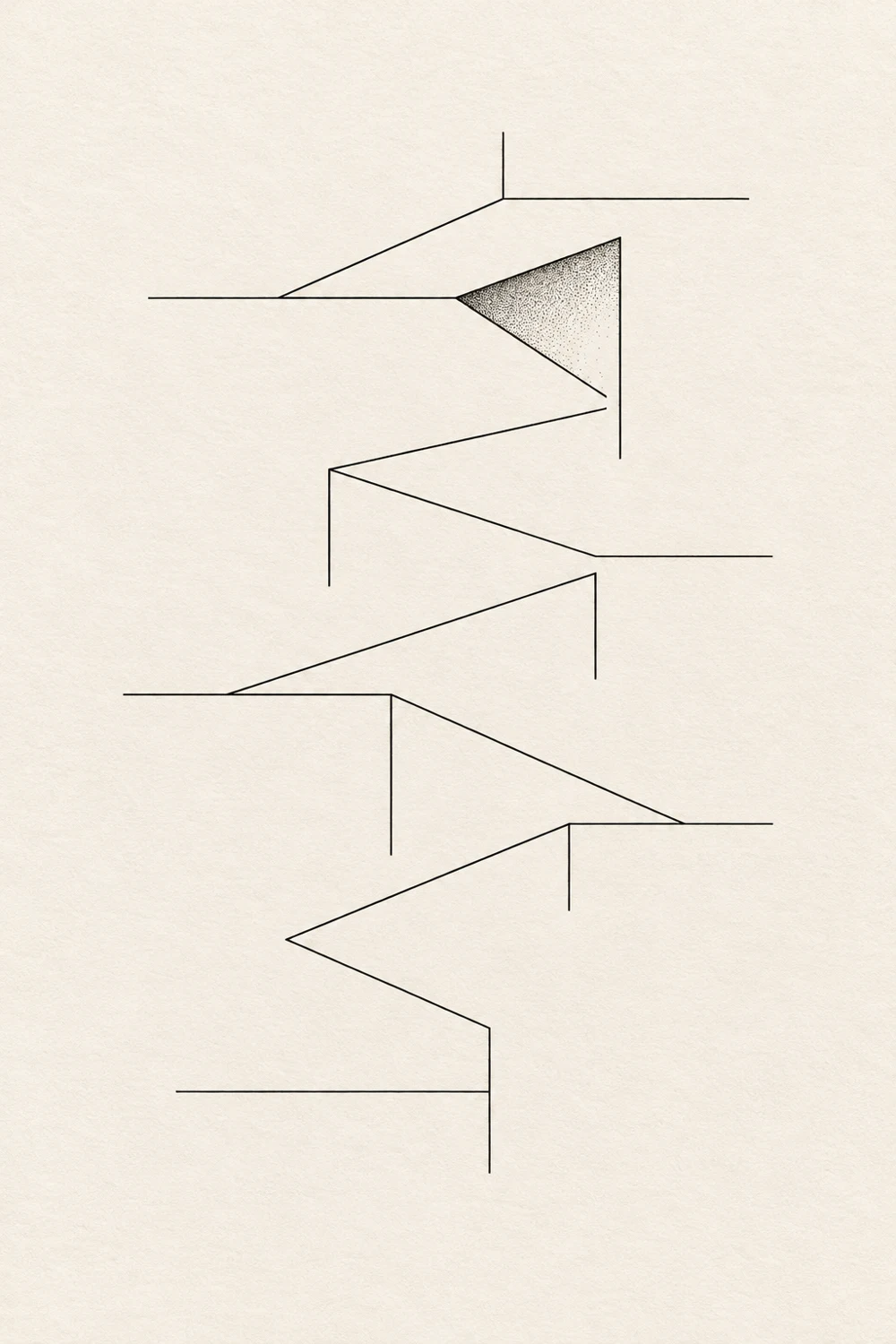
Repeat. Interrupt. Balance.
Order becomes interesting when something changes. Parallel lines, shallow curves and measured dot fields create a rhythm; a missing segment keeps the drawing from closing in on itself.
Explore the approach ↗A three-question starting point
Choose what you enjoy looking at. This is a simple visual match using authored rules, not an assessment or an AI consultation.